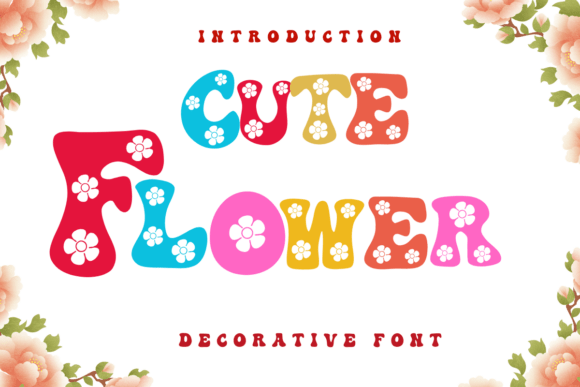
Let Your Words Blossom: The Cute Flower Font
In the world of design, a typeface is more than just a set of characters; it's a voice. It can whisper, shout, inform, or delight. When a project calls for a voice that’s filled with unadulterated joy and a touch of whimsy, the search for the perfect creative font can be a challenge. Enter Cute Flower, a decorative typeface that doesn't just spell out words—it blooms with them. This is a font with a distinct personality, one that infuses every letter with the cheerful energy of a sun-drenched garden. It’s a breath of fresh air for any designer looking to move beyond the standard sans serif font and inject pure, unfiltered happiness into their work.
At its core, Cute Flower is a premium font designed to be a showstopper. Each character is meticulously crafted, adorned with unique, cheerful floral shapes. Imagine letters with petals for serifs, stems that loop and curl, and cutouts that resemble blossoms. The overall aesthetic is a clever fusion of bubbly, rounded forms reminiscent of the 70s "flower power" movement, yet it maintains a clean, modern feel that prevents it from feeling dated. This isn't just a novelty display font; it's a carefully balanced typeface where the personality never compromises the underlying letter structure. The result is a whimsical and charming look that is surprisingly legible, especially at larger sizes, making it an invaluable asset for any creative professional's toolkit.
Where Your Design Blossoms: Perfect Applications
The true strength of a specialized creative font like Cute Flower lies in knowing where to plant its seeds. While it’s not intended for body text in a corporate report, its potential in the right context is immense. This typeface thrives in projects that aim to connect with an audience on an emotional level, particularly those targeting children, families, or anyone with a love for playful and optimistic design. Think of it as a tool for adding a specific flavor of joy to your visual communication.
Its applications span a wide range of creative fields, proving its versatility as a key piece in your collection of design assets. From personal crafting projects to large-scale commercial branding, Cute Flower offers a unique voice. Consider these practical uses:
- Children's Projects: This is a natural fit. Use it for nursery wall art, the title of a children’s book, educational materials, or branding for a kids' clothing line. Its friendly, approachable style immediately signals a safe and fun environment.
- Greeting Cards & Invitations: Birthday party invitations, baby shower announcements, spring-themed greeting cards, and thank you notes are instantly elevated. The font itself becomes part of the decorative element, reducing the need for additional graphic embellishments.
- Branding & Packaging: For businesses with a playful, eco-friendly, or artisanal identity, Cute Flower can be a game-changer. Imagine it on the packaging for a homemade jam, a scented candle line, or a boutique florist’s branding. It helps build a brand identity that feels approachable, creative, and memorable.
- Digital & Social Media: Make your social media graphics pop. A post announcing a sale, a quote graphic, or a YouTube thumbnail using Cute Flower will stand out in a crowded feed. It’s also fantastic for blog post titles on lifestyle, parenting, or crafting websites, drawing readers in with its visual charm.
Cultivating Your Design: Practical Tips for Using Cute Flower
Integrating a personality-rich display font into a design requires a thoughtful approach. The goal is to let its unique character shine without overwhelming the rest of your composition. As with any powerful design asset, balance is key. Here’s how to effectively cultivate your designs with Cute Flower.
Font Pairing and Visual Hierarchy
Because Cute Flower is a highly expressive typeface, it demands a more subdued partner. A successful font pairing often involves contrast. Pair it with a clean, simple sans serif font like Montserrat, Lato, or Open Sans for any secondary text, such as body copy or subheadings. This allows the decorative font to own the spotlight in headlines and titles while ensuring the supporting information remains highly readable. This contrast is fundamental to establishing a clear visual hierarchy, guiding the viewer's eye exactly where you want it to go. Using Cute Flower for all text would be chaotic, but using it strategically for key words or headers creates a delightful and professional layout.
Readability and Color Considerations
While Cute Flower is designed for clarity, its decorative nature means it performs best at larger point sizes. Avoid using it for small, detailed text. It’s a headline font, a title font, a "look-at-me" font. For legibility, give the letters room to breathe with generous leading (line spacing) and tracking (letter spacing). Furthermore, this font absolutely sings when paired with bright, cheerful color palettes. Think sunny yellows, soft pinks, sky blues, and fresh greens. High-contrast, dark backgrounds can also work beautifully, making the floral details pop. Experiment with color to see how it enhances the font's inherent personality and aligns with your project's mood.
Evaluating Your Project and Licensing
Before you commit, ask yourself if the font's personality aligns with your brand or project's message. It’s perfect for a brand identity that is whimsical, creative, and family-oriented. It would be a poor choice for a law firm or a financial institution. Always test the font with your specific text to see how the letterforms interact. As a commercial font, it’s also crucial to review the licensing. Ensure the license you purchase covers your intended use, whether for a single client project, for your own business's marketing materials, or for products for sale, like on printed merchandise. Understanding these details is part of a professional design workflow and protects both you and the font's creator.
Ultimately, Cute Flower is more than just a collection of letters; it's an invitation to be more imaginative. It’s a tool that empowers designers, marketers, and creators to build a stronger, more joyful connection with their audience. By understanding its personality and applying it thoughtfully, you can turn any project—from a simple social media post to a complete brand identity—into a vibrant garden of creativity. Let your words do more than just communicate; let them blossom.