Wedding Leaf Monogram: A Designer's Guide to This Decorative Font
There’s a particular kind of typography that does more than just present words—it evokes a feeling. It captures a mood, tells a story, and instantly sets a scene. Wedding Leaf Monogram is precisely that kind of typeface. At its core, it’s a decorative, premium font, but its true value lies in its ability to infuse projects with a sense of organic elegance and handcrafted charm. It’s not just a collection of letters; it's a design asset that can elevate a simple project into something memorable and personal.
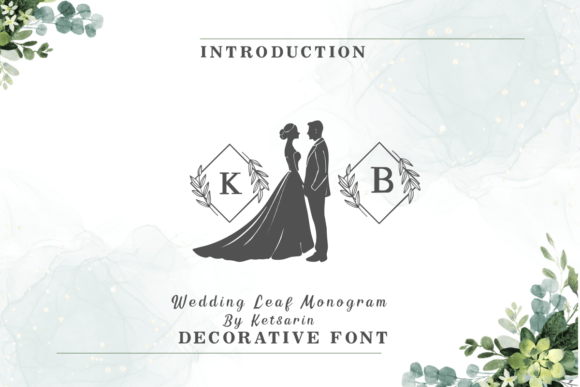
Visually, Wedding Leaf Monogram strikes a beautiful balance. It likely carries the fluidity and personality of a script font or handwritten font, but with a distinct botanical influence. Think of delicate leaf motifs or subtle vine-like flourishes integrated into the letterforms themselves. This isn't a heavy, ornate Victorian style, but rather a modern, airy interpretation of nature-inspired design. The overall personality is romantic, sophisticated, and approachable. It feels less like a corporate serif font and more like a personal invitation, making it an excellent creative font for projects that need a human touch.
Where This Font Truly Comes Alive
The versatility of a font like Wedding Leaf Monogram is one of its greatest strengths. While the name suggests a specific niche, its application is far broader. For logo design, it can be the perfect choice for a boutique florist, a wedding planner, a high-end skincare brand, or a cozy café looking to project an artisanal, welcoming image. The decorative nature provides built-in visual interest, reducing the need for complex graphic elements.
In editorial design and packaging design, this typeface shines for headlines, pull quotes, or special edition labels. Imagine it on the cover of a lifestyle magazine, the header of a restaurant menu, or the label for a small-batch botanical gin. It adds a layer of perceived quality and care. For digital creators, it translates beautifully into social media graphics, website banners, and email headers, helping to create a cohesive and aesthetically pleasing feed that stands out in a crowded space. It’s also a natural fit for physical products—think greeting cards, wedding stationery, personalized mugs, and branded apparel, where its decorative flair can be fully appreciated.
Making Smart Design Choices with a Decorative Typeface
Using a font with as much character as Wedding Leaf Monogram requires a thoughtful approach. Its primary role is to be a display font, meaning it’s designed for impact at larger sizes. You wouldn't set a full paragraph of body text with it, as readability at small sizes would suffer. The magic happens in the headlines, logos, and key phrases. For longer passages of text, always pair it with a highly legible sans serif font or a clean serif font. This contrast creates a clear visual hierarchy, allowing the decorative font to capture attention while the body font ensures your message is read comfortably.
When evaluating if it’s the right fit, consider your project’s tone. Does it need to feel personal, elegant, and connected to nature? If yes, you’re on the right track. For a more corporate, tech-focused, or minimalist brand, it might feel out of place. A practical tip is to test it with your actual project words. Some decorative fonts work beautifully with certain letters but can be challenging with others. Always check the readability of your specific headline or brand name. Furthermore, review the full character set. Does it include the numerals and punctuation you need? Are there alternate stylistic versions or ligatures that could enhance your design? Finally, for any commercial use—whether it's on a client's logo, a product for sale, or a monetized blog—ensure you have the appropriate commercial font license. This protects both you and the font creator, allowing you to use this beautiful design asset with confidence across all your branding and creative projects.