Sutton: Making Every Letter a Visual Masterpiece
When you are working on a project that demands immediate attention—whether it is a poster, a product box, or a landing page—the typography you choose is your first impression. You do not always need a font that fades into the background; sometimes, you need a voice that shouts with style. Sutton is exactly that kind of typeface. It is a premium font designed not just to be read, but to be experienced. If you have been searching for a creative font that breaks away from the mundane geometric sans serifs and standard serif fonts, Sutton offers a refreshing, artistic alternative that prioritizes visual impact above all else.
The Artistic Personality Behind the Glyphs
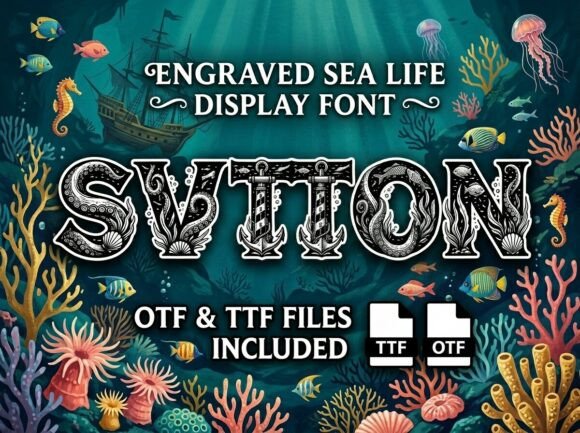
Sutton is a stunning decorative display font. To understand its value, you have to look at the details. Unlike a clean sans serif font meant for long paragraphs of body text, Sutton is built with unique artistic elements. It possesses a strong visual personality, characterized by its all-caps structure. This is not a limitation; it is a design choice. By focusing exclusively on uppercase letters, the designer ensured that every single glyph acts as a logo in itself. The weight, the spacing, and the structural embellishments are optimized for large sizes where the craftsmanship can truly shine.
In the world of typography, we often talk about "x-height" and "kerning," but with a display typeface like Sutton, the conversation shifts to "presence" and "texture." It fills the negative space effectively, making it perfect for designs that need to look full and rich without adding extra graphic elements. It bridges the gap between modern typography and classic artistic flair, offering a polished finish that looks professional rather than chaotic. It avoids the scratchy, illegible look of some handwritten fonts while retaining that same level of personal touch and warmth.
Strategic Applications: Where Sutton Shines
Knowing where to deploy a font like Sutton is half the battle. Because it is an all-caps display typeface, using it for a 500-word blog post would be a mistake. However, using it for the headline of that post? That is where the magic happens. Here is how different professionals can leverage Sutton across their projects:
- Logo Design and Brand Identity: If you are an entrepreneur building a brand that needs to feel bespoke, artistic, or high-end, Sutton is an excellent starting point. It works beautifully for fashion brands, boutique agencies, or lifestyle blogs. The strong visual personality ensures that the brand name is memorable.
- Packaging Design: For small business owners creating labels for candles, coffee, or cosmetics, packaging design is critical. Sutton stands out on the shelf. It gives products a "premium" feel, suggesting that the contents inside are just as curated as the typography on the outside.
- Editorial and Publishing: Bloggers and publishers can use Sutton for magazine covers, pull quotes, or chapter titles. In editorial design, visual hierarchy is essential. Sutton naturally draws the eye to the most important information, guiding the reader’s journey through the page.
- Digital and Web Design: While web design often relies on system fonts for speed, using a creative font like Sutton for hero sections or social media graphics can drastically improve engagement. It adds a layer of personality that standard web fonts lack.
- Crafting and Personal Projects: For hobbyists and crafters, this font is a design asset that elevates DIY projects. Whether you are designing wedding invitations, tote bags, or wall art, the decorative nature of the font adds a professional polish that is hard to achieve with standard tools.
Technical Versatility: OTF and TTF Files
A great design concept is useless if the software cannot support it. When you acquire Sutton, you are not just getting a concept; you are getting robust design assets. The package includes both OTF (OpenType Font) and TTF (TrueType Font) files.
Why does this matter to you? The OTF file is the professional standard. If you are using advanced layout software like Adobe Illustrator, InDesign, or Photoshop, the OTF file offers the best compatibility and feature support. It allows for more complex typographic features if they are present in the font. On the other hand, the TTF file ensures universal compatibility. If you are working on a PC, a Mac, or even importing the font into Canva or other web-based design platforms, the TTF file ensures the font renders correctly across all devices.
Mastering Font Pairing and Hierarchy
One of the most common questions I hear from designers is, "How do I pair a decorative font without making the design look cluttered?" The key to using Sutton effectively is contrast. Because Sutton is bold, artistic, and attention-grabbing, it requires a calm partner.
Imagine you are designing a flyer. You use Sutton for the main headline: "Summer Festival." It looks incredible—strong and artistic. But if you use Sutton for the date, time, and location details, the design becomes overwhelming. Instead, pair Sutton with a clean, readable sans serif font or a simple serif font for the body text. This creates a clear visual hierarchy. Sutton handles the "shout," and the secondary font handles the "whisper." This balance is crucial for readability and ensuring your audience actually absorbs the information, not just admires the letters.
Readability and the All-Caps Rule
It is important to address the nature of all-caps typography. Sutton does not include lowercase letters. This is a specific stylistic choice common in display typography. When all letters are the same height, it creates a uniform block of color and texture. However, this can make reading long sentences difficult because we are accustomed to the ascenders and descenders (the tall tops of 'h' and the tails of 'g') that help our brains recognize word shapes quickly.
Therefore, treat Sutton as a headline font or for short, punchy phrases. Use it for initials, monograms, or single words where the artistic value of each letter is on display. When you respect the font's intended use, readability is not an issue; it becomes a feature.
Making the Decision: Is Sutton Right for You?
Choosing a creative font is a subjective process, but it should also be a strategic one. Before you commit to Sutton for your next project, consider the mood you want to evoke. If your brand identity is minimalist, stark, and corporate, a heavy decorative display font might clash with your existing assets. However, if your brand—or your client's brand—values creativity, boldness, and a touch of artistic flair, Sutton is a strong contender.
Think about the medium. For print projects like posters or packaging, the high-resolution details of the OTF file will look crisp and professional. For digital projects, ensure that the font size is large enough to be legible on mobile screens, as intricate details can sometimes get lost on small, low-resolution displays.
Ultimately, Sutton is more than just a collection of letters; it is a design statement. It allows creators to break away from the ordinary and inject personality into their work. Whether you are a seasoned graphic designer working on a brand refresh or a hobbyist creating a custom gift, this typeface provides the tools to make your text visually stunning. By understanding its strengths—its all-caps impact, its professional file formats, and its versatility in pairing—you can turn a simple message into a memorable visual experience.