Uptown: The Bold Sans Serif for Modern Brands
Understanding the Uptown Typeface
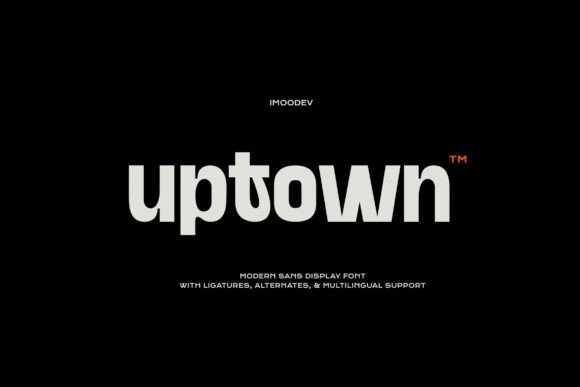
If you’ve been searching for a display font that bridges the gap between corporate precision and creative flair, the Uptown typeface is worth a close look. At its core, Uptown is a modern sans-serif font defined by its geometric and condensed structure. It doesn’t waste space, and it doesn’t waste your time. The letterforms are clean and contemporary, but they carry a distinct personality that feels both confident and playful.
Unlike many generic typefaces that rely on neutrality, Uptown makes a statement. It is designed for impact. The characters are tall and relatively narrow, which allows you to stack text or fit longer headlines into tight spaces without sacrificing legibility. This condensed nature gives the typography a sense of urgency and energy, making it perfect for the fast-paced visual language of urban environments. Whether you are working on a logo design for a new startup or creating headers for a magazine layout, the font commands attention without screaming at the viewer. It strikes that difficult balance: it is sophisticated enough for high-end editorial work but edgy enough for streetwear branding.
Practical Applications: Where Uptown Shines
The versatility of a premium font is usually measured by how many places you can use it without it looking out of place. Uptown performs exceptionally well across a wide range of mediums. Because it is a display font, it is naturally suited for large-scale applications. Think about movie posters, large signage, or the hero section of a website. In these instances, the geometric details of the letters become architectural elements, guiding the viewer's eye across the composition.
However, its utility extends far beyond posters. Here is where I see Uptown fitting best in real-world projects:
- Branding and Identity: It is a fantastic choice for brand identity packages, particularly for creative studios, gyms, fashion labels, and tech startups. The modern aesthetic signals innovation.
- Editorial Design: In editorial design, such as magazines or lookbooks, Uptown serves as a powerful contrast to body text. It grabs attention on the cover and pulls readers into feature stories.
- Packaging and Merchandise: If you are designing packaging for cosmetics, beverages, or streetwear, this font adds a layer of modern typography that feels premium. It also translates beautifully onto merchandise like tote bags or t-shirts.
- Digital Presence: While primarily a display face, it works well for short, punchy social media graphics and website headers where you need to convey a message quickly.
One of the standout features included with this typeface is the PUA (Private Use Areas) encoding. For those who aren't deep into tech specs, this simply means that all the special characters, stylistic alternates, and decorative elements are accessible even if you aren't using professional design software like Adobe Illustrator. This makes Uptown incredibly accessible for hobbyists, content creators, and small business owners using tools like Canva or basic website builders.
Pairing and Professional Usage
Choosing a creative font is only half the battle; knowing how to pair it is what separates amateur work from professional design. Because Uptown is a sans-serif font with a strong geometric presence, it plays well with others, but you need to choose its partners wisely.
A common strategy in modern typography is contrast. Since Uptown is bold and condensed, consider pairing it with a clean, neutral body font. A simple sans-serif with a lighter weight works well for a monochromatic, minimalist look. Alternatively, if you want to add warmth or a human touch to your layout, pairing Uptown with a subtle serif font or a soft script font can create a beautiful visual hierarchy. The key is to let Uptown do the heavy lifting for the headlines while the secondary font handles the storytelling.
For web design, readability is always a concern. While Uptown is excellent for headers, it is not intended for long paragraphs of body copy. Its condensed nature works best at larger sizes where the spacing between letters can breathe. When used correctly, it enhances readability by breaking up content into digestible chunks and establishing a clear visual hierarchy. This helps the user navigate your site or print layout more efficiently.
If you are a small business owner or a designer evaluating this for a client, I recommend testing it against your specific color palette. Uptown handles high-contrast color schemes beautifully—think white text on a dark background or vibrant neons against grayscale. It is a robust design asset that adapts to the mood you set, whether that is high-energy confidence or cool, detached minimalism.