The Highlight Typeface: A Sweet, Cursive Touch for Joyful Design
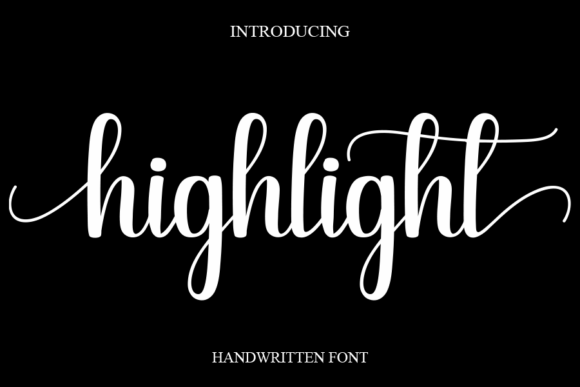
There’s a particular quality in a design that stops a scroller in their tracks. It’s not always about bold colors or complex layouts; sometimes, it’s a single, perfectly chosen word rendered in a font that feels like a personal signature. The Highlight typeface is that kind of font. As a sweet and cursive handwritten font, it carries an inherent warmth and approachability that digital text often lacks. Its gentle, flowing letterforms aren’t just characters on a screen—they’re a mood, a feeling, an invitation. This isn’t a font that shouts; it converses. It brings a joyful and romantic touch to projects, making it a versatile design asset for anyone looking to inject personality and elegance into their work without sacrificing a casual, friendly vibe.
Understanding Highlight's Visual Personality
At its core, Highlight is a script font that leans into the authenticity of hand-lettering. Each letter is crafted with subtle irregularities and a natural flow, mimicking the slight variations of a pen or brush in a skilled hand. The typeface features connected letterforms, creating a cohesive, flowing word shape that feels organic and effortless. Its weight is typically consistent, avoiding dramatic thick-and-thin strokes in favor of a soft, approachable line. This gives it excellent readability at various sizes, a crucial factor for display fonts. The overall aesthetic is one of relaxed sophistication—it’s fancy and elegant but still casual, a balance that’s surprisingly difficult to achieve in modern typography.
The personality of Highlight is unmistakably optimistic and personal. It evokes the feeling of a handwritten note from a friend, a beautifully penned journal entry, or the elegant signage at a boutique wedding. This makes it a premium font choice for projects where emotional connection is paramount. Unlike a stark sans serif font or a traditional serif font, Highlight doesn’t aim for corporate neutrality. Its strength lies in its ability to convey specific, positive emotions: romance, celebration, care, and creativity. It’s a creative font that tells a story before the reader even processes the words themselves.
Where Highlight Truly Shines: Practical Applications
The real value of a font like Highlight is measured in its application. It’s a workhorse for specific, high-impact scenarios where its character can elevate a project from ordinary to memorable.
- Branding & Logo Design: For businesses in the lifestyle, beauty, boutique, wellness, or artisanal food space, Highlight can form the core of a brand identity. It’s perfect for a logo design that needs to feel personal and approachable. Think of a bakery’s logo, a yoga studio’s wordmark, or the branding for a handmade jewelry line. It instantly communicates a human touch and curated quality.
- Wedding & Event Stationery: This is a natural home for Highlight. From invitations and save-the-dates to place cards and thank-you notes, the font adds a layer of romance and bespoke elegance that pre-printed fonts cannot match.
- Publishing & Editorial Design: In editorial design, Highlight excels as a pull-quote font, a chapter title for a lifestyle book, or the main title on a magazine cover targeting a feminine or creative audience. It draws the eye and sets a specific tone for the content within.
- Marketing & Social Media: For social media graphics, especially on platforms like Instagram and Pinterest, Highlight can make quotes, announcements, and sale promotions feel more engaging and less corporate. It’s also highly effective for packaging design and web design elements like call-to-action buttons or featured blog post titles, where you want to guide the user’s attention with a touch of personality.
Strategic Use: Beyond Just Looking Pretty
Choosing a font is a strategic decision that impacts more than just aesthetics. Highlight, when used thoughtfully, influences key aspects of visual communication.
Visual Hierarchy & Readability: As a display font, Highlight is not intended for long blocks of body copy. Its true power is in headlines, subheadings, and short, impactful phrases. Pairing it with a clean, highly legible sans serif font or a classic serif font for body text creates a perfect font pairing. This contrast establishes a clear visual hierarchy, guiding the reader’s eye from the expressive, attention-grabbing headline to the informative, easy-to-read text. Always test readability at the intended size, especially in digital contexts where screen resolution can vary.
Brand Perception & Consistency: Consistent use of Highlight across a brand’s touchpoints—website, social media, packaging, print materials—builds recognition and reinforces a specific brand personality. It helps a brand feel consistent, professional, and recognizable. The key is to use it strategically; overusing a distinctive script font can dilute its impact and make a design feel cluttered. Reserve it for moments of emphasis.
Audience Engagement: Fonts trigger subconscious reactions. The casual elegance of Highlight can make a brand feel more human and relatable, potentially increasing audience engagement. For a blogger or content creator, it can make their personal brand feel more authentic and curated. For a small business owner, it can bridge the gap between professional quality and the personal service they provide.
A Designer's Practical Checklist for Using Highlight
- Evaluate the Project Fit: Does your project’s tone align with Highlight’s joyful, romantic, or elegant-casual personality? It’s ideal for wedding invitations but might clash with a annual financial report. Context is everything.
- Test Font Pairings Relentlessly: Don’t use Highlight in isolation. Create mockups pairing it with potential body copy fonts. Does the combination feel balanced? Is the hierarchy clear? Common pairings include geometric sans serifs (like Montserrat) for a modern look or transitional serifs (like Georgia) for a more classic feel.
- Review All Included Styles: A good premium font often comes with stylistic alternates, ligatures, or multiple weights. Explore these in your design software. A simple stylistic swap on a letter like a ‘g’ or ‘y’ can add unique flair to a logo or headline.
- Consider the Medium: In print design, ensure the font renders crisply. In web design, check that the font file is optimized for fast loading and that it renders well across browsers. Always have a fallback web-safe font specified in your CSS.
- Clarify the License: For any commercial font, understand the licensing terms. Is it licensed for web use, app use, and physical products? Ensure your usage, especially for logos and merchandise, is covered by the license you purchase.
In the landscape of modern typography, Highlight stands out as a thoughtfully designed tool for connection. It’s more than just a creative font; it’s a conduit for emotion. By understanding its strengths and applying it with strategic intent, designers, entrepreneurs, and creators can leverage this handwritten font to craft experiences that feel not only polished but also genuinely personal and engaging. The right font doesn’t just display words—it amplifies their meaning.