Burble Font: A Vintage Slab with Modern Soul
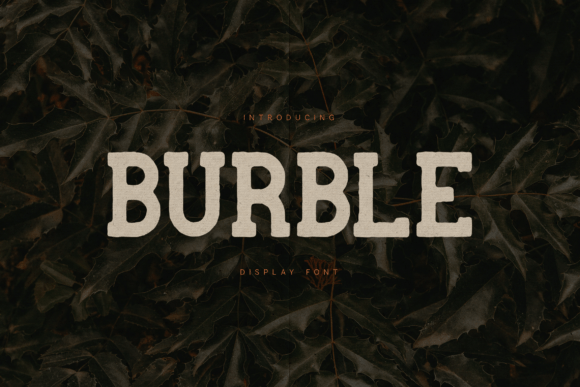
There’s a particular challenge in design when you need to project both strength and warmth. You want a typeface that commands attention, but doesn’t shout. One that feels established and trustworthy, yet entirely approachable. This is the exact space the Burble font occupies. It’s a bold vintage slab display typeface that doesn’t just sit on the page; it makes a statement with a confident, handcrafted presence.
At its core, Burble is built on strong, blocky letterforms. But where many slab serifs can feel rigid or industrial, Burble introduces soft curves and a subtle, weathered texture. Imagine the sturdy impression of a woodblock print, but with the edges softened by time and use. This gives the font an organic, hand-pressed quality that immediately removes any harshness. The result is a typeface that feels both powerful and genuinely welcoming—a rare combination that opens up a world of creative possibilities.
Where Burble Truly Shines: Practical Applications
Understanding a font's personality is one thing; knowing where to deploy it is what makes the difference in a real project. Burble’s unique blend of vintage charm and modern clarity makes it exceptionally versatile across various mediums.
- Branding and Logo Design: For brands that want to convey authenticity, craftsmanship, and a connection to nature or tradition, Burble is a fantastic foundation. Think of a farm-to-table restaurant needing a logo that feels rooted and honest, or an outdoor adventure gear company that wants to appear sturdy yet accessible. It’s equally at home for a craft brewery, a botanical garden, or a specialty coffee roaster.
- Print and Packaging Design: The weighted, textured presence of the Burble typeface makes it a star on physical materials. It creates impactful headlines on signage, feels tactile and authentic on wood-print packaging, and gives a premium, artisanal look to product labels. For editorial work like magazine covers or book titles, it provides a grounded, storytelling aesthetic.
- Digital and Social Media: Don’t let the vintage inspiration fool you. Burble works beautifully in digital spaces when used thoughtfully. It’s a powerful choice for website hero sections, blog post titles, and bold social media graphics that need to stop the scroll. Its strong character ensures readability even at smaller sizes in key places.
- Apparel and Merchandise: For t-shirts, hats, and tote bags, Burble delivers that sought-after “heritage” feel. Its handcrafted look translates perfectly to screen printing and embroidery, giving merchandise a quality, boutique vibe rather than a generic one.
Designing with Burble: Influence and Pairing
Choosing a premium font like Burble is about more than just liking the look; it’s about understanding its influence on your overall design. Its solid structure and subtle texture give it immense character without overpowering a layout. This makes it a workhorse for establishing a clear visual hierarchy.
As a display font, Burble naturally draws the eye. Use it for primary headlines, logos, and key slogans. Its confident weight helps set the tone and can significantly influence brand perception. A brand using Burble is likely to be seen as authentic, reliable, and grounded. This consistency across your brand identity—from your website to your packaging—builds recognition and professionalism.
The real magic, however, often happens in the pairing. Burble’s chunky, textured serifs create a beautiful contrast with cleaner typefaces. A classic and effective strategy is to pair this serif font with a clean, modern sans serif font for body text. This creates a balanced “outdoorsy-chic” look that is highly readable and visually engaging. For a different feel, you could pair it with a simple script font for accents, but use caution to avoid a clash of personalities. Always test your font pairing in context—see how it looks on a mockup of your website, a sample business card, or a draft of your poster.
A Practical Guide to Working with Burble
Before integrating any new design asset, a little due diligence goes a long way. Here’s how to approach Burble for your next project:
- Evaluate the Project Fit: Does your project call for a vintage, handcrafted, or sturdy aesthetic? If you’re designing for a cutting-edge tech startup, Burble might not be the right tool. But for anything with a story, a sense of place, or a connection to craft, it’s worth serious consideration.
- Test Readability Early: While Burble is designed for readability, always test it at the sizes you intend to use. Its beautiful texture is most effective at larger display sizes. For long paragraphs of text, you would almost always use a complementary sans serif or serif for body copy.
- Review the Included Character Set: Burble includes uppercase characters, numerals, punctuation, and extensive multilingual support. Check that it has all the glyphs and special characters your project requires, especially if you’re working on international or multilingual content.
- Understand the Licensing: As a commercial font, ensure the license covers your intended use—whether for a single client project, unlimited commercial work, or digital products. This is a critical step for any professional use.
- Look at the Whole Family: Some premium fonts come with multiple weights or styles. Check if Burble offers any variations that could add more flexibility to your typographic system, allowing for subtle shifts in emphasis while maintaining a cohesive look.
In the end, Burble is more than just a collection of glyphs. It’s a creative font with a personality—a tool that can help tell a story of craftsmanship, warmth, and enduring style. By understanding its strengths and applying it with intention, you can leverage its unique character to create designs that are not only visually striking but also deeply resonant with your audience.