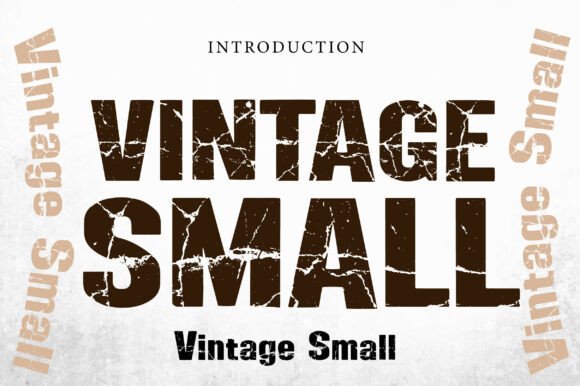
Unlocking Authentic Character with Vintage Small
In the crowded landscape of modern typography, finding a typeface that genuinely captures the texture of history can be a challenge. We often see fonts that try to look old but end up feeling artificial. Vintage Small takes a different approach. It is a bold, distressed display font that doesn't just mimic age—it embodies it. Inspired by retro print textures, aged signage, and the rough edges of handcrafted lettering, this premium font offers a rugged, nostalgic personality that feels incredibly real. If you are working on a project that demands grit and authenticity, this typeface provides a visual language that speaks of durability and timelessness.
The Anatomy of a Weathered Typeface
Understanding what makes Vintage Small effective requires looking at its structure. At its core, it is a bold, compact typeface. The letterforms are tight and heavy, ensuring that text remains highly visible even at a glance. However, the defining characteristic is the surface treatment. The font features rough, cracked details and a worn effect that mimics the look of ink pressed onto rough paper or paint peeling off an old storefront.
This distressed finish adds depth and visual interest that a clean sans serif font cannot achieve. It creates a sense of history without requiring additional design assets or texture overlays. The "small" in the name suggests a specific utility; while it is bold enough for headlines, it retains enough detail to work effectively in shorter bursts of text where that vintage charm is needed. It balances the strength of a heavy typeface with the intricacy of a detailed script font or handwritten font, offering a unique middle ground for designers.
Strategic Applications: Where Vintage Small Shines
The versatility of Vintage Small lies in its ability to adapt to various mediums while maintaining its core identity. It is not a one-trick pony; rather, it is a robust tool for specific creative needs.
Branding and Logo Design
For logo design, particularly for brands aiming for a heritage or artisanal feel, Vintage Small is an immediate solution. Think of craft breweries, barbershops, outdoor adventure brands, or artisanal coffee roasters. The font communicates reliability, tradition, and craftsmanship instantly. It helps build a brand identity that feels established rather than brand new, which can be a psychological shortcut to trust for consumers.
Packaging and Labels
In packaging design, shelf presence is everything. The bold, distressed nature of this typeface stands out in a sea of clean, minimalist modern typography. It is particularly effective for labels on bottles, jars, and boxes where the goal is to evoke a sense of old-world quality or rugged durability. The texture of the font often complements physical textures like kraft paper or matte finishes.
Editorial and Publishing
For editorial design, such as book covers or magazine headers, Vintage Small creates an immediate mood. It is excellent for genres like historical fiction, mystery, or westerns. A premium font like this can elevate a cover from generic to gripping, helping the publication stand out both on a physical shelf and in a digital thumbnail.
Digital Presence and Social Media
While detailed fonts can sometimes struggle at small screen sizes, the boldness of Vintage Small makes it a strong contender for headers in web design or high-impact social media graphics. On platforms like Instagram or Pinterest, where visual noise is high, the gritty texture of this font can stop the scroll. It adds personality to digital ads and banners, making them feel more tangible and less sterile.
Designing with Intent: Readability and Hierarchy
When integrating a creative font like Vintage Small, the designer's role shifts to managing visual hierarchy. Because the font has such a strong personality, it naturally draws the eye. This makes it perfect for headlines and sub-headers. It establishes the top of the hierarchy, setting the tone for the rest of the content.
However, readability is a key consideration. The distressed texture that gives the font its charm can reduce legibility if used for long paragraphs of body copy. This is where font pairing becomes essential. To maintain a professional look, pair Vintage Small with a clean, legible typeface for the body text. A neutral sans serif font or a classic serif font works best. The contrast between the rough, textured headline and the smooth, clean body text creates a balanced visual experience that is easy to read but rich in character.
Practical Tips for Implementation
Before finalizing your design, it is crucial to evaluate the fit and technical aspects of the font.
- Evaluate the Context: Does the project call for nostalgia? If you are designing for a cutting-edge tech startup, Vintage Small might send the wrong message. But for a local farm-to-table restaurant or a rugged clothing line, it is the perfect fit.
- Check the Character Set: Review the included styles and glyphs. A high-quality commercial font often includes alternates, ligatures, or multilingual support that can add nuance to your design.
- Test in Context: Don't just look at the font in a preview generator. Place it into your actual mockups. See how the texture interacts with your background images and color palette. The "worn" look should enhance the design, not clash with it.
- Licensing: Ensure you have the correct license for your usage. If this is for a client's merchandise or a widely distributed digital product, verify that the commercial font license covers those specific use cases.
Ultimately, Vintage Small is more than just a typeface; it is a design asset that brings a specific mood to the table. By using it thoughtfully, you can create designs that feel authentic, rugged, and visually rich, connecting with an audience that appreciates classic style and tangible quality.